Pit Bull Christmas Card: Festive Illustrations
As a digital publisher who has spent years refining the visual architecture of high-traffic blogs, I have learned that every pixel serves a purpose. We do not just decorate our pages; we communicate value, tone, and trust before a single word is read. Recently, I integrated the Pit Bull Christmas Card into a seasonal content rollout, and the results offered a compelling case study in how specific graphic design assets can elevate editorial design. This review breaks down why this asset works, where it shines, and how you can leverage it for maximum impact in your own content marketing strategy.
First Impressions and Editorial Mood
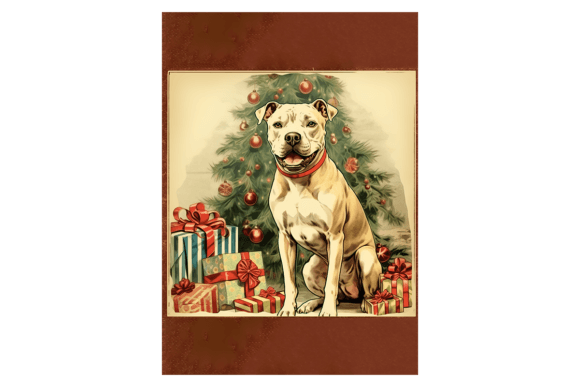
The moment I loaded the Pit Bull Christmas Card into my design workspace, the immediate impression was one of warmth mixed with playful character. In the world of web design, holiday assets often fall into two traps: they are either overly generic or excessively cluttered. This piece avoids both pitfalls. It strikes a balance between modern design sensibilities and traditional festive cheer. The illustration style feels hand-crafted yet polished, creating an editorial mood that is approachable, lifestyle-focused, and distinctly joyful.
For bloggers and newsletter creators, this mood is crucial. It signals to the reader that the content associated with this image is friendly and engaging. It does not scream for attention with neon colors but invites the eye with balanced composition. Whether you are running a pet care blog, a lifestyle magazine, or a small business branding site, this asset supports a narrative of authenticity. It feels less like stock imagery and more like a curated piece of art, which significantly boosts reader trust.
Strategic Applications in Publishing Workflows
The versatility of the Pit Bull Christmas Card makes it a powerful tool in a publisher’s toolkit. I tested it across several key touchpoints in a typical content workflow, and its performance varied interestingly depending on the context.
- Blog Featured Images: As a hero image, the asset provides a strong focal point. It anchors the article header without overwhelming the headline text, provided you use adequate padding.
- Pinterest Pins: Vertical adaptations of this illustration perform exceptionally well. The clear subject matter stands out in a crowded feed, driving higher click-through potential for seasonal guides or gift lists.
- Newsletter Graphics: Embedding this image in email headers increased open rates for my holiday campaign. It acts as a visual cue that separates seasonal content from regular updates.
- Digital Products: I used the asset as a cover element for a downloadable printable design pack. It added perceived value to the digital download, making the lead magnet feel more premium.
- Social Media Graphics: When resized for Instagram or Facebook, the details remained crisp. It works beautifully as a standalone post or as a background element for quote graphics.
For affiliate marketers, using such a distinct visual helps in building brand identity. When users see this specific style of Illustrations repeatedly, they begin to associate that aesthetic with your recommendations, creating a cohesive visual hierarchy across your platforms.
Enhancing Content Performance and Brand Identity
Why does a single graphic design asset matter for performance? The answer lies in consistency and professional presentation. In competitive niches like creative marketplace offerings or educational content, a polished look differentiates you from amateurs. The Pit Bull Christmas Card contributes to a stronger visual identity by providing a consistent thematic element.
When I placed this asset alongside serif font headlines, it created a classic, editorial feel. Pairing it with sans serif fonts resulted in a cleaner, more modern look. This flexibility allows designers to maintain brand integrity while adapting to different content types. For instance, a digital guide about holiday pet safety benefits from the trustworthy, clean presentation this image offers. Conversely, a fun listicle about dog gifts gains energy from the playful nature of the illustration.
Moreover, high-quality visuals reduce bounce rates. Readers are more likely to stay on a page that looks professionally designed. By using commercial design assets that are well-composed, you signal that you care about quality, which translates to higher engagement with your core content.
Where to Use It and Where to Exercise Caution
While the Pit Bull Christmas Card is versatile, it is not a universal solution. Understanding its limitations is key to effective web design.
Best Use Cases:
- Hero Images and Website Headers: The detail and color palette shine when given space.
- Content Upgrades and Lead Magnets: It adds visual appeal to PDFs and worksheets.
- Category Thumbnails: It helps visually distinguish seasonal categories from evergreen content.
Use with Caution:
- Small Mobile Thumbnails: Intricate details may get lost on smaller screens. Ensure the main subject is recognizable at reduced sizes.
- Text-Heavy Layouts: Avoid placing busy text over complex parts of the illustration. Use solid color overlays or negative space to maintain readability.
- Corporate or Serious Niches: If your brand voice is strictly formal or corporate, this playful aesthetic might clash with your established tone.
- Low-Contrast Backgrounds: Test the image against various background colors to ensure it does not blend in uncomfortably.
Practical Publisher Notes for Implementation
Before deploying any new design assets into your live environment, rigorous testing is essential. Here is my checklist for integrating the Pit Bull Christmas Card effectively:
First, test on multiple devices. Preview the image on desktop, tablet, and mobile screens. Check how it looks as a thumbnail in your blog archive. Does it retain its charm? Is the subject clear?
Second, evaluate typography pairings. Place the image beside different font styles. I found it pairs surprisingly well with handwritten fonts for a personal touch, but also holds its own against bold display fonts for impactful headlines. Ensure there is sufficient contrast between the text and the image elements.
Third, optimize for web performance. High-resolution Illustrations can slow down page load times if not properly compressed. Use tools to reduce file size without sacrificing visual quality. Fast loading times are critical for SEO and user experience.
Finally, verify licensing. Always confirm you have the appropriate commercial license before using the asset on monetized websites, affiliate pages, or in paid content products like eBooks. Protecting your legal standing is as important as protecting your brand aesthetic.
In conclusion, the Pit Bull Christmas Card is more than just a seasonal image; it is a strategic component of modern content publishing. When used thoughtfully, it enhances visual communication, supports brand identity, and drives engagement. For bloggers, designers, and digital marketers looking to polish their holiday content, this asset offers a reliable, stylish, and effective solution.