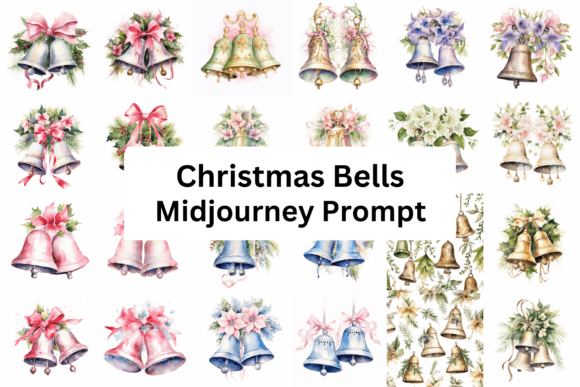
Review: Ai Prompt for Watercolor Christmas Bells
As a designer who has spent years translating digital concepts into thread, I approach every new machine embroidery design with a mix of curiosity and skepticism. We have all been there: downloading a file that looks stunning on screen but turns into a tangled mess of broken threads and puckered fabric once it hits the hoop. That is why I took a close look at the Ai Prompt for Watercolor Christmas Bells. This isn’t just about aesthetics; it is about whether this asset holds up under the needle when you are trying to run a profitable craft business or create a memorable personalized gift.
The Visual First Impression
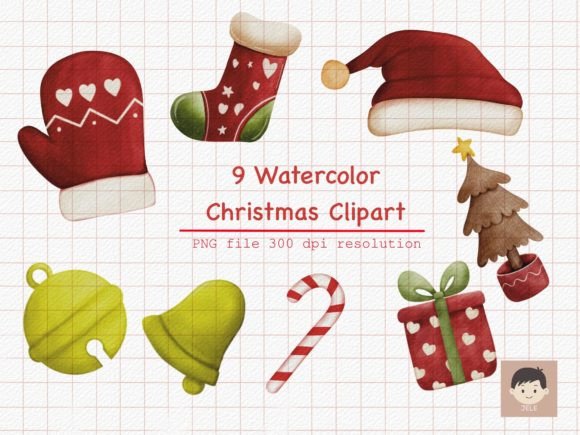
The first thing that strikes you about the Ai Prompt for Watercolor Christmas Bells is its softness. In a market saturated with rigid, vector-heavy holiday graphics, this piece belongs firmly in the Illustrations category, offering a painterly quality that feels organic and warm. The layout suggests a gentle cascade of bells, likely utilizing varied line weights to mimic the fluidity of watercolor paint. For an embroidery designer, this presents both an opportunity and a challenge. The mood is nostalgic and elegant, making it ideal for customers who prefer subtle, boutique-style decor over loud, cartoonish holiday motifs.
However, "watercolor" in digital art does not automatically translate to "easy stitching." The visual personality here relies on gradients and soft edges. When evaluating this for real project use, I immediately thought about how these transitions would be handled. Does the design rely on dense fill stitch work to create depth, or does it use clever running stitch techniques to suggest shading? The answer determines everything from production time to the final hand-feel of the finished product.
Real-World Application: The Holiday Tote Scenario
To test the viability of this design, I imagined a common scenario for many Etsy sellers and small shop owners: creating a limited-run holiday tote bag. Canvas totes are a staple small shop product, but they can be unforgiving if the embroidery is too dense or lacks proper stabilization. The Ai Prompt for Watercolor Christmas Bells seems well-suited for this application, provided the digitizer has accounted for the fabric texture.
If used as a central motif on a natural cotton canvas, the bells could serve as a sophisticated tote bag design that appeals to buyers looking for reusable, stylish gift wrapping alternatives. The organic shape of the bells allows for a relaxed placement that doesn't require perfect geometric alignment, which is a huge plus for home-based makers working with standard hoops. Imagine pairing this with a simple monogram underneath; it transforms a basic bag into a high-value handmade product that can command a higher price point during the holiday rush.
Apparel and Custom Gifts
Beyond totes, this design has strong potential for sweatshirt embroidery. A crewneck sweatshirt in heather grey or cream provides the perfect neutral backdrop for the bell motif. Because watercolor styles often imply a certain delicacy, this design would look exceptional on the left chest area rather than as a massive back print. It creates a refined look suitable for family matching sets or corporate holiday gifts.
For those specializing in baby embroidery, caution is key. While the theme is appropriate, the scale matters. If the Ai Prompt for Watercolor Christmas Bells includes fine details or tiny connecting lines, it might get lost on a onesie or become stiff if scaled down too far. However, if resized appropriately for a larger item like a nursery pillow cover or a baby blanket border, it adds a touch of whimsical elegance without being overwhelming.
Technical Considerations for Stitching
Here is where the rubber meets the road. When working with a design that mimics watercolor, you must pay close attention to stitch density. If the original digital illustration relies on heavy color blending, the embroidery file might compensate with high-density satin or fill stitches. On stretchy fabrics like jersey knits or thin materials like silk blends, this can cause puckering. Always use a cut-away stabilizer for knits and a tear-away for wovens, but test on scrap fabric first.
Another critical factor is thread colors. A watercolor effect lives and dies by its palette. You cannot simply swap out threads for what you have in stock. To achieve the intended look, you need a nuanced range of shades—perhaps three or four variations of red, green, or gold—to create the illusion of depth. If you are using this for commercial embroidery, calculate the thread cost accordingly. Using cheap, shiny polyester threads might detract from the artistic intent; consider matte rayon or cotton threads for a more authentic, painterly finish.
Where to Use Caution
- Small Hoop Sizes: If the design is intricate, shrinking it to fit a 4x4 hoop may cause the details to merge into a blob. Check the minimum recommended size before purchasing.
- Dark Fabrics: Watercolor designs often use light, translucent layers. On black or navy fabric, the design may lack contrast unless the digitizer included underlay stitches or white backing layers.
- Curved Surfaces: Embroidering on caps requires careful hooping. The fluid lines of the bells must align with the curve of the cap panel, or the design will look distorted.
- Frequent Washing: Dense areas can become stiff. If this is for a kitchen towel or apron that will be washed often, ensure the stitch count isn't excessively high in any single area.
Boosting Brand Value and Customer Trust
Using high-quality, unique assets like the Ai Prompt for Watercolor Christmas Bells directly impacts your brand perception. In a sea of generic clipart, offering a product with a distinct artistic style signals professionalism. It shows that you care about the aesthetic details, which builds customer trust. When a buyer receives a custom apparel item or an embroidered patch that looks like a piece of art rather than a mass-produced sticker, they are more likely to leave a positive review and return for future purchases.
Furthermore, this type of design is excellent for creating printable mockup assets for your online store. The soft, inviting nature of the bells photographs well in lifestyle settings—think cozy living rooms, wrapped gifts, or rustic wooden tables. These visuals drive engagement on social media and can significantly improve click-through rates for your Etsy listings.
Final Designer Notes
Before you commit to running this design on client orders, take these practical steps:
- Verify File Formats: Ensure the digital embroidery file is compatible with your specific machine brand (Brother, Janome, Bernina, etc.).
- Check Licensing: Confirm whether the license allows for commercial use of the finished items. This is crucial for design assets intended for resale.
- Test Contrast: Run a test stitch-out on both light and dark fabrics to see if the details hold up. If the design disappears on dark fabric, you may need to add a satin border or change thread choices.
- Inspect Small Details: Zoom in on the digitized file. Look for unnecessary jump stitches or overly complex paths that could slow down production.
In conclusion, the Ai Prompt for Watercolor Christmas Bells offers a refreshing alternative to traditional holiday embroidery. It bridges the gap between digital illustration and tactile craft, providing a versatile tool for makers who value artistic integrity. By understanding its technical requirements and leveraging its aesthetic strengths, you can create standout holiday embroidery pieces that resonate with customers and elevate your small business merchandise. Just remember: the best design is the one that stitches out cleanly, so always test before you invest.