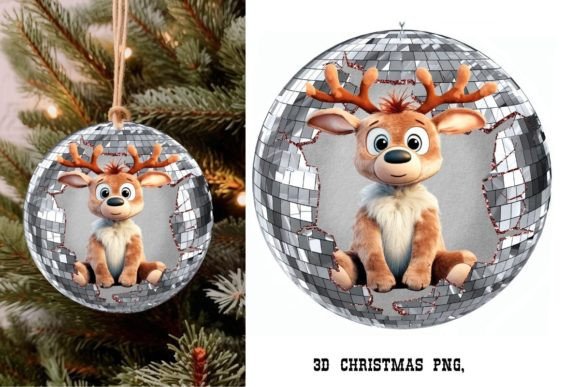
Reviewing the 3D Christmas Ornament for Holiday Embroidery
As we move deeper into the holiday season, the pressure mounts for designers and small business owners to deliver fresh, high-quality work. I recently pulled the 3D Christmas Ornament design from my library of Illustrations to test it on a few real-world projects. My goal was not just to see if it stitched out cleanly, but to determine if it holds up under the scrutiny of a paying customer. For Etsy sellers, boutique owners, and hobbyists alike, the difference between a design that looks good on a screen and one that looks professional on fabric is often where profit margins are made or lost.
First Impressions and Visual Personality
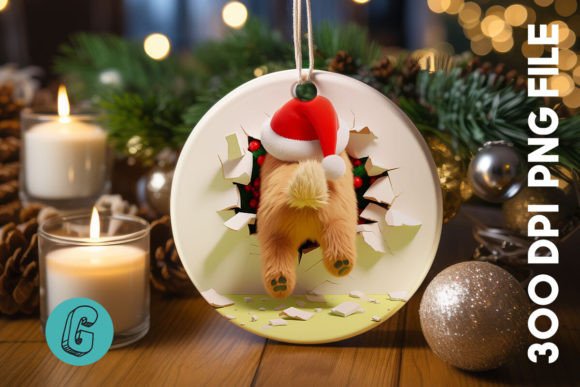
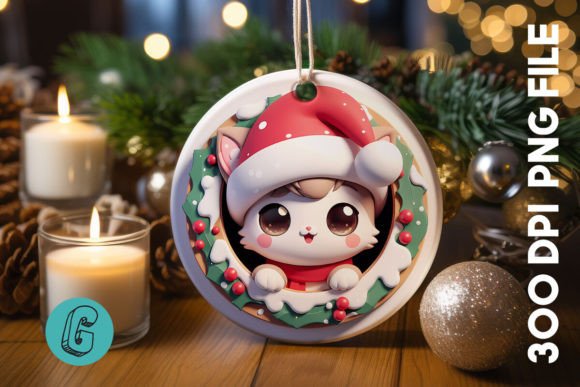
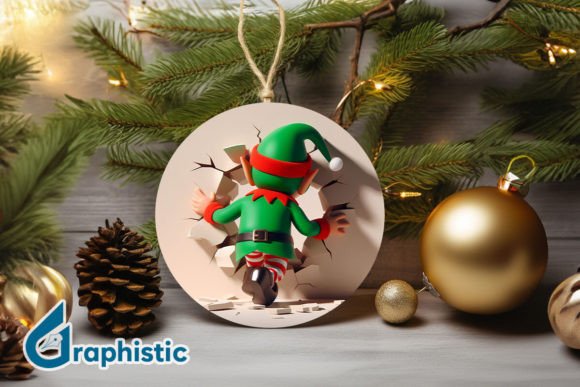
The first thing that strikes you about the 3D Christmas Ornament is its dimensional quality. In a category saturated with flat, two-dimensional graphics, this design attempts to create depth through shading and contouring. The mood is festive yet sophisticated, avoiding the overly cartoonish aesthetic that can sometimes cheapen holiday merchandise. The layout is balanced, with a central focal point that draws the eye immediately. This visual personality makes it versatile; it feels at home on a rustic linen tea towel just as much as it does on a modern, dark-colored sweatshirt.
When evaluating any machine embroidery design, I always look at the detail level. Here, the transitions between light and shadow are handled with a mix of satin stitch and fill stitch techniques. This combination is crucial for achieving that "3D" effect without creating an overly dense patch of thread that might pucker the fabric. For a designer, this means the file has been digitized with intention, rather than just auto-digitized from a vector image.
Real-World Application: The Custom Sweatshirt Test
To truly understand how this design performs, I applied it to a custom apparel project: a heavyweight cotton blend sweatshirt. This is a popular item for craft businesses during Q4. The 3D Christmas Ornament was placed on the left chest area. On a curved surface like a sleeve or a fitted cap, complex designs can distort, but the chest panel of a sweatshirt provides a stable canvas.
The stitching clarity was impressive. The thread colors I selected—a deep emerald green paired with metallic gold accents—popped against the heather gray fabric. This highlights an important point for embroidery project planning: contrast is key. If you are using this design on a dark fabric, ensure your thread colors are bright enough to maintain the dimensional illusion. Conversely, on light fabrics, you may need to adjust the shading tones to prevent the design from looking washed out. I also tested it as a tote bag design on a natural canvas. The heavier fabric supported the stitch density well, resulting in a crisp, clean finished product that felt substantial to the touch.
Navigating Fabric and Hoop Constraints
While the design is robust, it is not without its limitations. Experienced makers know that not every fabric is suitable for every embroidery file. I would advise caution when using the 3D Christmas Ornament on thin or stretchy fabrics like jersey knits or silk blends. The density required to create the 3D effect can cause puckering if the stabilizer is not chosen carefully. A cut-away stabilizer is likely necessary for garments that will be washed frequently, whereas a tear-away might suffice for decorative items like pillow covers or wall hangings that see less wear.
Hoop size is another critical factor. Before purchasing or downloading, confirm the available sizes. If you are working with a small hoop, such as a 4x4 inch frame, check if the design scales down effectively. Tiny details, especially those meant to simulate reflections or highlights on the ornament, can become lost or merge together if the design is reduced too much. For baby embroidery projects, where smaller hoops are common, you might need to simplify the color palette or increase the size to maintain clarity. Always test the design on scrap fabric first. This simple step saves time, thread, and frustration.
Commercial Viability and Brand Consistency
For commercial embroidery and digital product sellers, the appeal of a design lies in its ability to enhance brand consistency. The 3D Christmas Ornament fits well within a premium aesthetic. It does not look like a generic clip-art addition; it looks like a custom-created asset. This perception of value allows small shop owners to price their handmade products higher. Whether you are selling embroidered patches, aprons, or holiday gifts, the professionalism of the stitch work directly influences customer trust.
I also considered how this design works for printable mockups. If you are a digital embroidery file seller, having high-quality mockups is essential for conversion. The dimensional nature of this design photographs well, creating shadows and highlights that look realistic in product previews. This helps buyers visualize the final result, reducing hesitation and potential returns. For Etsy sellers, this visual appeal can significantly boost engagement and click-through rates.
Practical Designer Notes for Best Results
To get the most out of this design, keep these practical tips in mind:
- Check Thread Color Contrast: The 3D effect relies on shading. Use at least three shades of the same color family to maximize depth.
- Review Stitch Density: If your machine struggles with dense files, consider using a lighter weight thread or adjusting the tension slightly.
- Inspect Small Details: Zoom in on your digitizing software to ensure no stray stitches or overlapping paths that could cause thread breaks.
- Test on Dark and Light Backgrounds: Create mockups for both to see which sells better for your specific audience.
- Use Proper Stabilizer: Match the stabilizer to the fabric texture. Heavy fabrics need support; delicate fabrics need protection.
- Confirm Licensing: Before selling finished items or digital embroidery files, always verify the license terms associated with the design assets.
Final Verdict for Makers and Entrepreneurs
The 3D Christmas Ornament is a strong contender for your holiday lineup. It bridges the gap between traditional holiday motifs and modern design sensibilities. It works exceptionally well for personalized gifts, such as monogrammed stockings or custom apparel, where a touch of elegance is desired. While it requires attention to fabric choice and stabilizer selection, the results are worth the effort. For creative entrepreneurs looking to elevate their small shop product offerings, this design provides the professional polish that distinguishes handmade goods from mass-produced alternatives. By testing thoroughly and understanding the nuances of stitch density and fabric texture, you can ensure that every finished product meets the high standards your customers expect.